


California Seniors Could Be Exempt From Property Taxes? Here’s What We Know.
Could California homeowners over 60 really stop paying property taxes on their primary residence?
A new 2026 ballot initiative is proposing exactly that — and if it qualifies and passes, it would mark the most significant property tax shift since Proposition 13. The measure would exempt eligible seniors from base property taxes on their primary home, potentially reshaping retirement decisions, housing inventory, and local government funding across the state.
For South Bay communities like Palos Verdes, Manhattan Beach, and Redondo Beach — where many longtime owners are equity-rich but income-conscious — the implications could be substantial.
This isn’t law yet. But it’s one of the most important proposals California homeowners should be watching right now.

2026 Real Estate Legal Alert
At a recent legal briefing with Neil Kalin, Assistant General Counsel for the California Association of REALTORS®, the message was clear: 2026 will reshape how we market property, manage rentals, close condo transactions, and handle all-cash purchases. From mandatory “Digitally Altered” labels on listing photos to new federal reporting requirements for entity buyers, the rules are tightening — and enforcement is real.

2026 California Housing Outlook: The Era of "Cautious Optimism"
The 2026 housing market isn’t crashing. It isn’t booming either. It’s something more disciplined.
At the recent PV Board of Realtors breakfast, C.A.R. Chief Economist Jordan Levine described the year ahead in two words: cautious optimism. Sales are inching up. Prices are firming. But the momentum-driven, “easy” market is behind us. This is a year that rewards preparation over prediction, strategy over speculation, and education over emotion.
Prop 19 Tax Break for Family Property Transfers Gets a Small Boost
The California State Board of Equalization has announced a new increase to the Prop 19 parent-to-child (or grandparent-to-grandchild) transfer exclusion. Starting February 16, 2025, the exclusion amount rises to $1,044,586—offering families a bit more room to transfer a primary residence or family farm without triggering higher property taxes, as long as it remains the recipient’s primary residence.

Important Update: Possible Recording Delays in LA County Next Week
A countywide strike could impact the LA County Recorder’s Office from April 28–30, possibly delaying recordings and closings. Here’s what real estate professionals should know and how to plan ahead.

The Costly Mistake of Leaving Property Out of a Trust: How the Heggstad Petition Can Help
A simple paperwork mistake—forgetting to record a trust transfer deed—can create major headaches for families after a loved one passes. Without it, a home may not be included in the trust, forcing heirs into a long and expensive probate process. Fortunately, a Heggstad Petition can help fix this issue by allowing the court to recognize the property as part of the trust, even if the deed was never recorded. Learn how to avoid this common estate planning mistake and ensure your family’s inheritance is protected.

Protecting Your Home from Title Fraud: Can Someone Really Steal the Title to Your Property?
Another homeowner reached out to me today again, concerned about their property title. With so much talk about title theft on TV and social media, it’s a growing concern. Fortunately, there are free and reliable ways to stay informed and protect your home—without unnecessary costs. Learn how to safeguard your property with the Los Angeles County Assessor’s free Homeowner Alert program.

Big Changes Coming to the Westside and South Bay: What New Zoning Rules Mean for Real Estate
Big changes are coming to the Westside and South Bay regions of Los Angeles County! Recent zoning updates could bring nearly 11,000 new homes to unincorporated areas, focusing on transit-friendly development and revitalizing underutilized spaces. These changes open up exciting opportunities for homeowners and investors while addressing the region’s housing shortage. Stay informed to make the most of these upcoming transformations!

Protecting Your Property from Adverse Possession in California
Adverse possession is not very common in California, but it can still occur, particularly in cases where property is left unattended or boundaries are unclear. Adverse possession allows a person to legally claim ownership of land if they meet specific conditions, including continuous and exclusive occupation for at least five years and payment of property taxes.

Understanding Partition Actions in California Real Estate
Partition actions are a legal remedy used when co-owners of a property cannot agree on its disposition. This lawsuit allows one co-owner to force the division or sale of the property, ensuring all parties' interests are fairly considered. Common in California, partition actions help resolve real estate conflicts through a court trial where a judge determines each party's interest and the best method of partition.

Protecting Your Real Estate Investment: Avoiding Wire Fraud
Learn how to recognize common fraud indicators and protect yourself from similar scams. Stay vigilant, verify all wiring instructions, and use encrypted communication. Read more about her experience and essential safety tips on CNBC.

Protect Your Home: How to Tackle Common Title Issues Head-On
Owning a home is a significant achievement, but it comes with responsibilities, including ensuring your property has a clear title. Title issues can arise unexpectedly, from outstanding liens and errors in public records to unknown heirs and boundary disputes.

Understanding Power of Attorney (POA) Forms: Types and Uses in Real Estate
Navigating real estate transactions can be challenging, especially when sellers are out of the country. A Power of Attorney (POA) can streamline the process. This legal document allows one person to authorize another to act on their behalf, handling everything from financial decisions to property transactions.

Understanding California's Non-Judicial Foreclosure Timeline
Foreclosure can be a daunting process, but understanding the steps involved can make it more manageable. In California, the non-judicial foreclosure process is the most common method used. Here's a brief overview of the key steps and timeline:

Navigating California’s Supplemental Property Tax: What Every Real Estate Professional and Homeowner Needs to Know
As a real estate professional, you know how important it is to guide your clients through every step of the home-buying process. But once the deal is closed, there’s one more crucial piece of information they need to be aware of: California’s supplemental property tax. Whether they’ve just purchased a home or completed new construction, understanding this tax bill is essential.

California’s Transfer on Death Deed: Simplifying Property Transfer
In California, homeowners can use the Transfer on Death (TOD) deed to transfer property to heirs without probate. This simple and flexible alternative avoids the complications of joint tenancy, such as higher taxes and refinancing issues. The TOD deed allows property transfer upon the owner's death while maintaining full control during their lifetime.

Understanding CC&Rs and Their Impact on Title Insurance and Home Buying
Navigating the world of home buying involves more than just finding the perfect house. Understanding Covenants, Conditions, and Restrictions (CC&Rs) is crucial, as they dictate what you can and can't do with your property. These rules, set by homeowner's associations or developers, can impact everything from house colors to parking rules.

Understanding the Uninsured Deed Affidavit: When and Why It's Required
When reviewing a Preliminary Report, you may see an exception related to a prior deed together with a requirement for evidence and/or documentation addressing that exception.
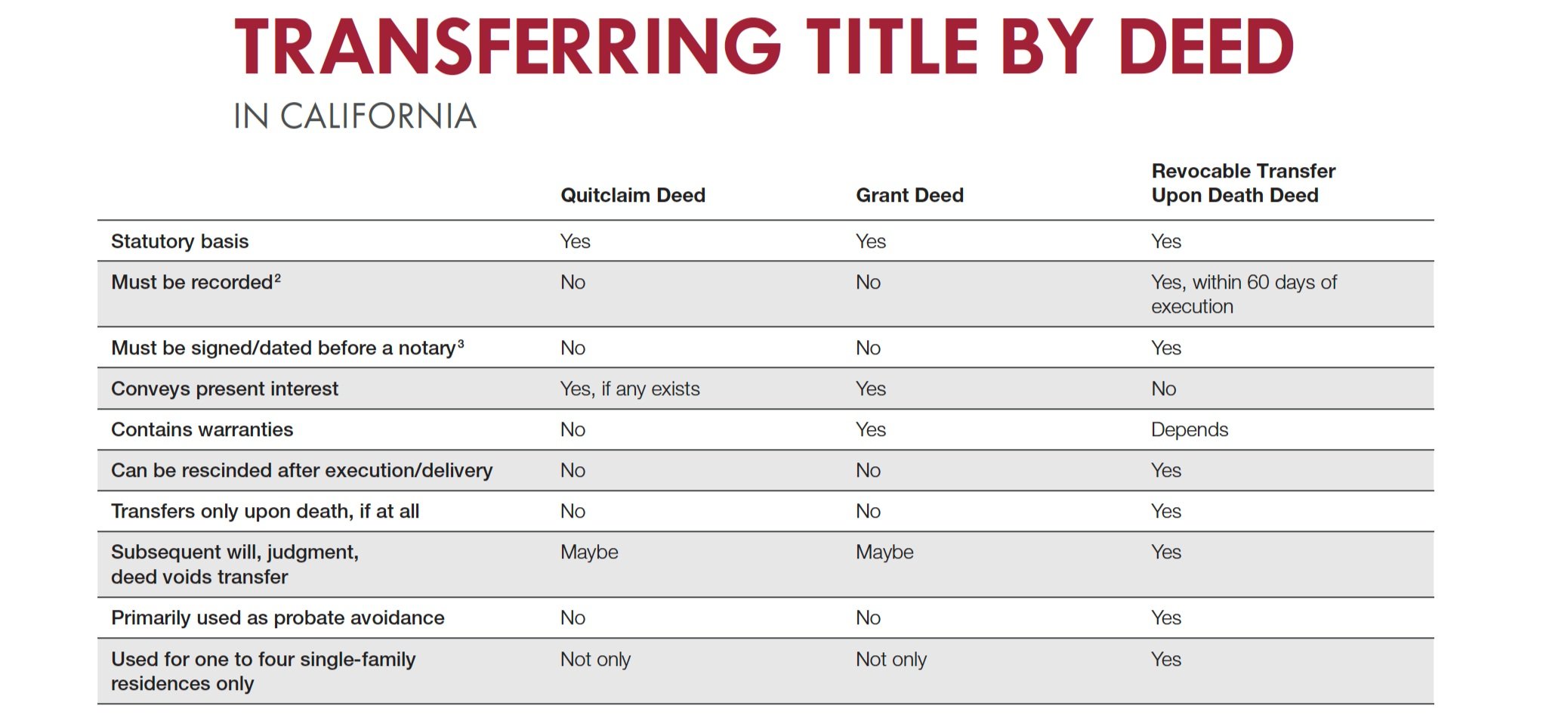
Understanding Different Types of Deed Forms in California.
When it comes to transferring title to real property, there are several options available to individuals or entities. Three of the most commonly used forms of deeds in California are quitclaim deeds, grant deeds, and revocable transfer upon death deeds.

California’s Homestead Exemption Bill’s Impact on Title and Escrow
AB 1885, which took effect on January 1, 2021, increased the amount of financial protection. The homeowner exemption amount is based upon the countywide median sale price for a single-family home in the calendar year prior to the year the judgment debtor claims the exemption.